Kids content is one of the easiest niches to underestimate. One week your audience wants sensory toys, the next they need school uniforms, toddler shoes, lunch-packing basics, first bikes, or a better tablet for learning apps. That is exactly why this space can monetize so well. The buying intent is already there, it just shows up in different forms throughout the year. Shopday is especially useful here because its platform is built to monetize content with context-aware comparison tables and related placements based on user intent, and its site says publishers can run it alongside existing affiliate links instead of replacing their current setup.
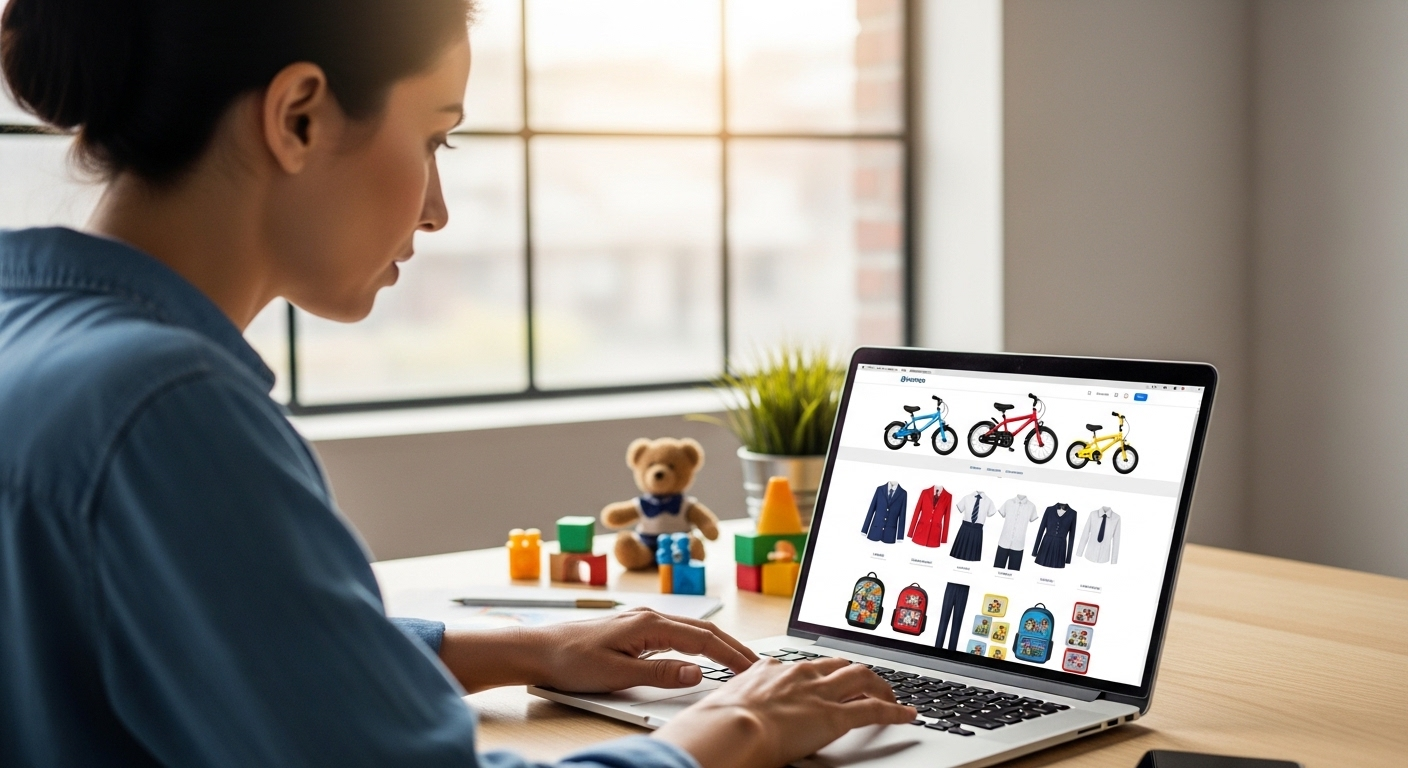
If you create content for parents, caregivers, teachers, or family shoppers, the smartest move is not to rely on one retailer alone. A stronger strategy is to build a mix of affiliate programs across toys, apparel, schoolwear, learning tech, and active-kids gear, then use Shopday links and comparison tables to turn that traffic into clicks that actually convert. Shopday’s own materials position it around the comparison moment, when shoppers are actively choosing between brands, retailers, and product options, and its media kit says it automatically inserts easy-to-scan comparison tables directly among those choices.
Why kids content is such a strong affiliate niche
Children outgrow products fast, family needs change by season, and purchase cycles repeat. That gives creators and publishers more than one monetization window. You are not limited to holiday gift guides. You can monetize:
- birthday gift roundups
- back-to-school lists
- school uniform shopping
- toddler and kids footwear
- licensed-character merchandise
- learning tablets and headphones
- outdoor gear for growing kids
- baby-to-big-kid wardrobe transitions
That is also why comparison content works especially well in this space. Parents rarely buy the first thing they see. They compare price, age fit, durability, return policy, and brand trust first. Shopday’s brand and publisher materials are built around that exact behavior, saying shoppers compare before buying and that the platform determines the right comparison experience based on the title, structure, and language of the content.
Start here first: join Shopday before you build out your list
If you are publishing an article that lists affiliate programs, do not make readers or contributors jump across ten different networks with no structure. Start with Shopday.
Shopday says its affiliate-program pages let creators and publishers access brand programs and generate trackable affiliate links in seconds, and several of its brand pages are explicitly marked free to join. Its publisher terms also say the platform monetizes content through context-aware comparison tables and related placements based on user intent, available offers, and performance signals.
Why that matters for kids content:
- you can build one cleaner monetization workflow
- you can match links to high-intent content formats
- you can use Shopday tables when a reader needs to compare options
- you can keep existing affiliate efforts in place while adding another monetization layer
10 affiliate programs worth knowing for kids content
One important note before you dive in: many Shopday brand pages say commission rates, cookie windows, and availability vary by partner or network, so always verify the current terms before you build an entire content series around a single merchant.



Amazon affiliate program
Amazon is still one of the easiest starting points for kids content because it covers books, crafts, STEM kits, sensory toys, baby gear, party supplies, school supplies, and everyday essentials in one place. Shopday’s Amazon affiliate page says creators can access the program through Shopday and generate trackable affiliate links in seconds, and that the page is free to join. For creators publishing “best toys by age,” homeschool lists, or classroom must-haves, that breadth is hard to ignore. Link this section to the Shopday Amazon Affiliate Program page.
Target affiliate program
Target is a strong fit if your content leans toward practical family shopping, think toy guides, diaper content, kids room organization, school supplies, or budget-friendly seasonal shopping. Shopday marks Target as monetizable, says it is shared by creators, and describes the retailer as a broad general-merchandise destination with toys, clothing, and home goods. It is a smart program for creators who want to monetize both gift-driven and everyday parenting content. Link this section to the Shopday Target Affiliate Program page.
Walmart affiliate program
Walmart is especially useful for value-focused kids content. If your audience cares about budget buys, school lists, birthday-party supplies, family basics, or toy comparisons under a certain price point, this one belongs on your shortlist. Shopday’s Walmart affiliate page describes Walmart as a broad retailer offering apparel, electronics, home goods, groceries, pickup, and delivery, and says creators can access the affiliate program through Shopday with trackable links and allowed channels across website, social, email, and Linktree-style destinations. Link this section to the Shopday Walmart Affiliate Program page.
Shop Disney affiliate program

If you create content around licensed merch, movie tie-ins, holiday gifts, or character-based shopping, Shop Disney is one of the most relevant programs on the list. Shopday describes Shop Disney as an official destination for toys, apparel, collectibles, home décor, and themed collections from Disney, Pixar, Marvel, and Star Wars. This is the kind of affiliate program that fits gift guides, themed birthday lists, “best Disney gifts by age,” or seasonal character shopping content. Link this section to the Shopday Shop Disney Affiliate Program page.
Best Buy affiliate program

Not every kids creator should focus only on toys and clothes. Educational tech is a serious category too. Best Buy makes sense for content about kids tablets, learning headphones, beginner cameras, gaming gifts, classroom tech, or tech for teen students. Shopday’s Best Buy affiliate page describes the retailer as a major electronics seller with computers, gaming, phones, accessories, and related support services, and says the program is available through Shopday. Link this section to the Shopday Best Buy Affiliate Program page.
The Children's Place affiliate program

If your content includes kids wardrobe guides, school outfits, seasonal essentials, or baby-to-big-kid clothing roundups, The Children’s Place is an obvious fit. Shopday describes the brand as a kids’ apparel retailer offering clothing, shoes, accessories, and uniforms for newborns through kids, with frequent promotions and online and in-store shopping. This works especially well for back-to-school posts, holiday outfit edits, and value-focused fashion content. Link this section to the Shopday The Children’s Place Affiliate Program page.
Gap affiliate program

Gap is a strong choice for creators whose audience cares about basics, baby clothes, family style, capsule wardrobes, and everyday kid outfits. Shopday’s Gap affiliate page says the brand offers apparel and accessories for women, men, maternity, kids, and babies, with a focus on versatile staples like denim, tees, and seasonal styles. That makes it especially useful for evergreen clothing content that stays relevant beyond one shopping season. Link this section to the Shopday Gap Affiliate Program page.
French Toast affiliate program

French Toast is one of the most practical affiliate programs in this niche because it connects directly to repeat buying intent. Shopday describes French Toast as a school-uniform and kids apparel brand offering polos, pants, skirts, dresses, outerwear, accessories, and adaptive clothing for families and schools. If you publish school uniform checklists, adaptive apparel guides, or back-to-school shopping posts, this is a highly targeted merchant to know. Link this section to the Shopday French Toast Affiliate Program page.
Skechers affiliate program

Footwear is one of the most repeatable categories in kids content because sizes change constantly and comfort matters. Shopday’s Skechers affiliate page describes the brand as a global footwear company offering lifestyle and performance shoes for men, women, and kids, plus select apparel and accessories, with comfort-focused designs and a wide range of everyday styles. This makes it a strong program for school shoe roundups, PE and sports footwear guides, and “best shoes for active kids” articles. Link this section to the Shopday Skechers Affiliate Program page.
Woom affiliate program

If your content leans into outdoor play, active families, or milestone purchases, Woom stands out. Shopday says Woom designs ultralight bikes sized specifically for children, with models for different ages and riding stages plus related accessories. This is a strong affiliate program for creators publishing gift guides, first-bike buying advice, summer activity content, or comparisons for balance bikes and beginner pedal bikes. Link this section to the Shopday Woom Affiliate Program page.
How to turn these programs into actual revenue with Shopday
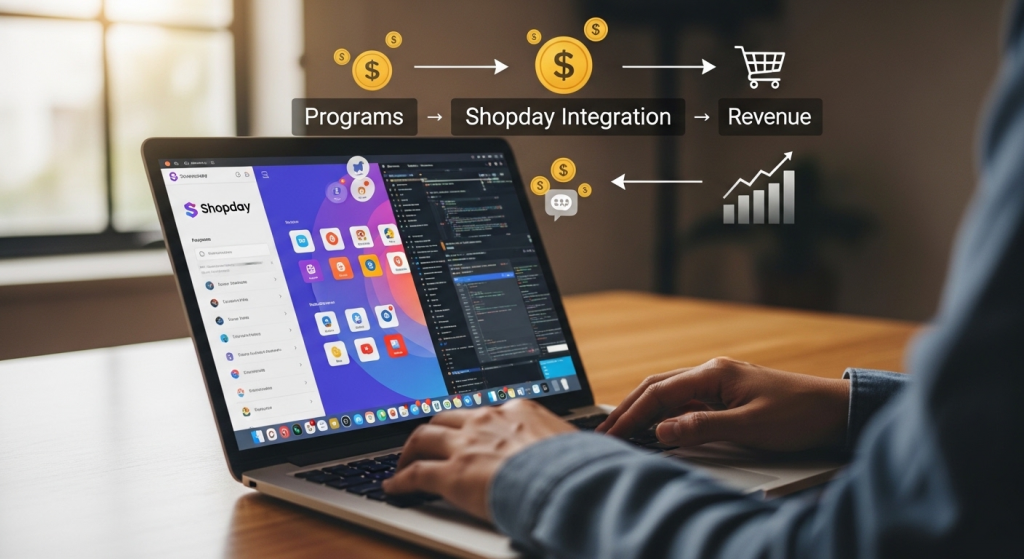
Having ten affiliate programs is not the goal. Turning them into clean, high-intent content is.
That is where Shopday gives you an edge. Its site says the platform uses the context of each post to determine whether readers need a comparison table for products, services, alternatives, or retailers, and its media kit says those tables are inserted directly among the options shoppers are already evaluating.
Here is the smarter way to use that in kids content:
Build by intent, not by merchant
Instead of writing “here are my affiliate links,” publish content like:
- Best back-to-school shoes for kids
- Best kids’ bikes by age
- Target vs. Walmart for birthday party supplies
- Best places to buy school uniforms online
- Amazon vs. Best Buy for kids tablets
These are the kinds of posts where a Shopday comparison table can feel helpful, natural, and conversion-focused.
Mix evergreen and seasonal pages
A strong kids-content affiliate strategy usually includes:
- evergreen pages, such as school shoes, baby basics, uniforms, or first bikes
- seasonal pages, such as Easter baskets, holiday gifts, summer camp lists, or back-to-school guides
Evergreen posts keep earning. Seasonal posts give you spikes.
Use broad retailers and niche merchants together
This is where a lot of creators leave money on the table. They either go too broad or too niche.
A better formula looks like this:
- broad retailers for convenience and variety
- niche brands for higher intent and stronger fit
- Shopday tables to help the reader compare instead of bounce
That setup is much stronger than dropping ten unrelated affiliate links into one paragraph.
A quick compliance note for child-focused creators

If your content is directed to parents, caregivers, or teachers, affiliate marketing is usually fairly straightforward as long as you make disclosures clearly. But if your site, app, or online service is directed to children under 13, the FTC says COPPA can apply, and operators may need to provide notice and obtain verifiable parental consent before collecting, using, or disclosing personal information from children under 13. The FTC also says endorsers and influencers need clear disclosure of their relationship with a brand.
So keep two habits in place:
- disclose affiliate relationships clearly
- think carefully about whether your content is aimed at parents or directly at children
That protects trust, and trust is what makes kids and family content convert in the first place.
Final takeaway
The best affiliate programs for kids content are not just the flashiest toy brands. The strongest mix usually includes broad retailers, schoolwear brands, footwear, character merchandise, learning tech, and active-kids gear. That gives you more content angles, more seasonal opportunities, and more ways to meet buying intent when it is strongest.
And if you want those programs to work harder, do not treat them like a random list of links. Use Shopday to organize them into cleaner monetization paths, stronger comparison experiences, and trackable affiliate setups that match the way parents actually shop. If you are building content in the kids niche, this is exactly the kind of stack that can turn useful recommendations into real revenue.
The responses below are not provided, commissioned, reviewed, approved, or otherwise endorsed by any financial entity or advertiser. It is not the advertiser’s responsibility to ensure all posts and/or questions are answered.