Beauty is one of the strongest creator-commerce categories right now because it naturally combines trust, repeat purchases, tutorials, routines, and visible results. That commercial setup is getting even stronger online. Niq reports that global beauty sales grew 10% over the past year, and online beauty sales are growing nine times faster than in-store. Emarketer also reports that half of US social shoppers say they have bought a beauty product because of creator or influencer content.
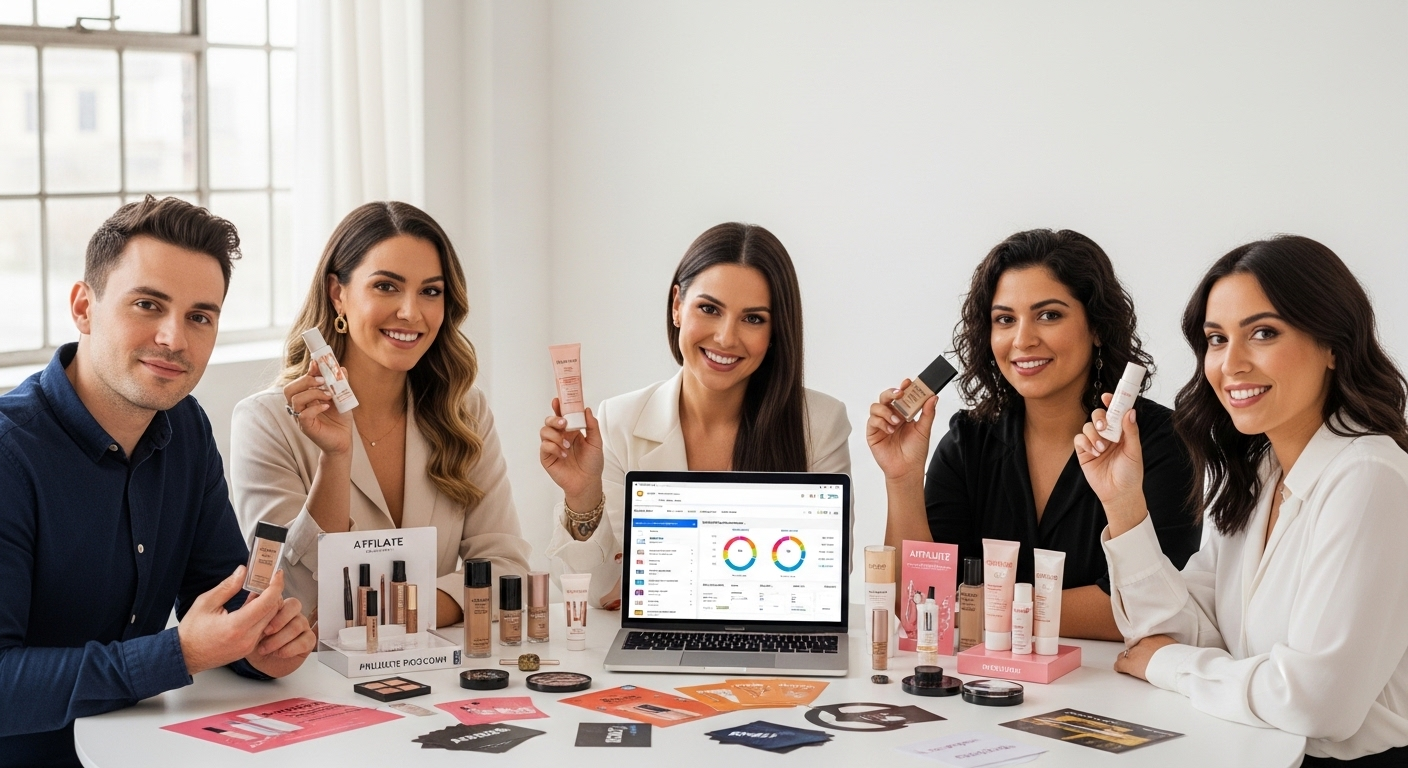
That helps explain why beauty affiliate content can work so well when it is done naturally. People do not just watch beauty creators for entertainment. They watch to figure out what is worth buying, what works for their skin type, and which products are worth trying next. Ltk’s 2025 beauty and creator studies say beauty shoppers want content that feels personal and relatable, and that followers are 1.3 times more likely to try new products after creator recommendations.
Before you do anything else, start with Shopday
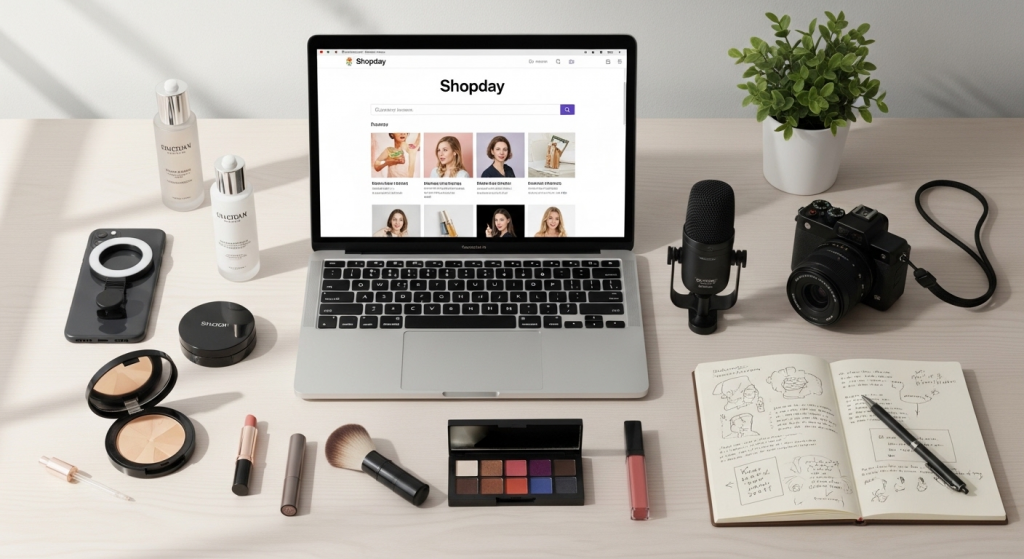
If you are publishing an article that lists affiliate programs, the smartest first move is to send readers to Shopday’s own affiliate-program ecosystem, not to a scattered list of unrelated sign-up forms. Shopday has a live store directory and brand pages, and multiple beauty affiliate pages on Shopday say creators can access the program through Shopday, generate trackable affiliate links in seconds, and that the programs are free to join.
That matters even more in beauty because the path to purchase is rarely linear. Shopday’s Media Kit says shoppers compare before buying, discover brands while reading reviews and checking alternatives, and respond well to contextual comparison tables placed directly among the options they are already evaluating. In other words, Shopday is built for the exact moment beauty creators influence the sale.
Why beauty affiliate programs tend to convert well
Beauty creators usually have a few built-in conversion advantages:
- Repeat demand. Skincare, makeup, haircare, and fragrance are categories people rebuy regularly. Niq’s 2025 beauty report shows skin care is growing in double digits and beauty overall continues to expand globally.
- High discovery behavior. Emarketer says social platforms outrank multibrand retailers’ digital channels for online beauty discovery, especially among Gen Z shoppers.
- Trust-led decisions. Ltk says creator recommendations strongly shape online and mobile shopping decisions, especially among Gen Z and millennials.
- Easy content integration. Tutorials, Grwms, empties, shelfies, before-and-after posts, and “best for” recommendations all map naturally to affiliate links and comparison tables. That fits Shopday’s model of adding monetization to real editorial content instead of forcing creators into hard-sell behavior.
10 beauty affiliate programs worth prioritizing

Ulta Beauty affiliate program
Ulta Beauty is one of the easiest places to start because it covers makeup, skincare, haircare, fragrance, tools, gifts, and even salon services. That broad catalog makes it ideal for creators who publish routines, “best products under $50,” beginner-friendly roundups, or seasonal beauty edits. Shopday’s Ulta Beauty affiliate page also says you can access the program through Shopday and generate trackable links in seconds.
MAC Cosmetics affiliate program
Mac is still a strong affiliate fit for creators whose content leans makeup-first, especially complexion, lips, and pro-style artistry content. Shopday describes Mac as a professional-quality makeup brand with a wide shade range and products across face, eyes, and lips, which makes it a strong match for tutorials, occasion glam, and foundation-focused content.
Lancôme affiliate program
Lancôme is worth attention if your audience responds to prestige beauty, gift-with-purchase offers, skincare-plus-fragrance positioning, or “worth the splurge?” content. Shopday’s Lancôme page describes the brand as a luxury beauty label spanning makeup, skincare, and fragrance, with exclusive offers and gifts with purchase, which can be especially useful in conversion-driven content.
Aveda affiliate program
Aveda works especially well for creators with a haircare, self-care, or clean-beauty angle. Shopday says Aveda offers hair, skin, and body care with a plant-powered focus and states that its products are 100% vegan. That gives creators a clear story to tell around routines, ingredients, salon-adjacent content, and premium haircare recommendations.
Clarins affiliate program
Clarins is a strong pick for skincare-led audiences, especially if your content centers on hydration, body care, anti-aging, or premium self-care routines. Shopday’s Clarins page describes the brand as a French skincare and beauty company with face, body, and makeup products that combine plant-based expertise with scientific innovation. It also notes that commission rate and cookie duration vary by partner, which is a useful reminder to check the live details before planning a content series around any one brand.
Il Makiage affiliate program

Il Makiage is especially interesting because its direct-to-consumer model fits how beauty creators already sell, through shade matching, trial-driven confidence, and highly visual complexion content. Shopday says the brand offers curated routines, complexion products, and programs such as Try Before You Buy, which gives creators a practical angle for foundation reviews, first-impression videos, and “which shade family am I?” content.
Foreo affiliate program

Foreo stands out because beauty tech can raise average order value while still feeling creator-friendly. Shopday describes Foreo as a Swedish beauty-tech brand known for facial cleansing tools, microcurrent devices, and sonic toothbrushes. That makes it a strong fit for skincare routines, device demos, and “is beauty tech worth it?” content.
Isdin affiliate program
Isdin is a smart program for creators whose audience cares about skincare performance, dermatologist-adjacent routines, or sun protection. Shopday says Isdin focuses on protecting and repairing skin, with a broad range of Spf and targeted facial and body care products. That makes it useful for creators covering hyperpigmentation, daily sunscreen use, post-procedure care, or skincare for active lifestyles.
Physicians Formula affiliate program
Physicians Formula is a strong option for creators who speak to sensitive skin, drugstore beauty, cruelty-free shoppers, or accessible makeup routines. Shopday describes the brand as hypoallergenic and focused on clean, effective formulas across complexion, eye, lip, and skincare products. That is a useful commercial angle because “safe for sensitive skin” is often a high-intent buying question.
eCosmetics affiliate program

eCosmetics is worth attention because multibrand beauty retailers can convert well when your audience wants selection and value, not just one hero brand. Shopday describes eCosmetics as an online beauty retailer covering makeup, skincare, haircare, fragrance, and bath and body across multiple brands, with a value-oriented positioning. This makes it a strong match for “best budget alternatives,” category roundups, and shopping-guide content where range matters.
How to integrate these programs without making your content feel like an ad
Build around buying questions
Beauty affiliate content performs better when it starts from a real user decision, not from a random brand mention. Good examples include:
- best foundations for dry skin
- Mac vs. Il Makiage for full-coverage looks
- best vitamin C serums for beginners
- Aveda haircare routines worth the money
- best sunscreens for makeup wearers
That approach aligns with how Shopday works. Its Media Kit says the strongest results happen when brands appear inside “best options,” “top picks,” and “alternatives” style content, where shoppers are already close to a decision.
Use Shopday’s tables like beauty storefronts
Beauty audiences often do not want one link. They want context. They want to compare coverage, finish, ingredients, price level, skin-type fit, and retailer options. Shopday’s Media Kit says it automatically inserts contextual, easy-to-scan comparison tables featuring brands, retailers, or specific products and services, directly among the options shoppers are comparing. That makes Shopday especially valuable for beauty creators who want monetization to feel useful instead of cluttered.
Mix multibrand retailers with direct-to-consumer brands
One of the best ways to improve beauty affiliate earnings is to avoid relying on only one model. Retailers like Ulta Beauty and eCosmetics are helpful when your audience wants choice, category breadth, or lower-friction checkout. Direct-to-consumer brands like Aveda, Il Makiage, Foreo, and Isdin are useful when your content is more ingredient-led, routine-led, or problem-led. That blend gives you broader coverage without making your content repetitive.
Match the brand to the content format
A few simple examples:
- Tutorial creators usually do well with Mac, Il Makiage, and Ulta Beauty.
- Skincare educators often fit Clarins, Isdin, Exuviance, and Physicians Formula.
- Haircare and wellness creators can lean into Aveda.
- Beauty-tech reviewers naturally fit Foreo.
- Prestige beauty and gifting content can work well with Lancôme.
Pay attention to channel fit
Shopday’s beauty affiliate pages often show allowed channels such as website, YouTube, Instagram, TikTok, Linktree, and email. That matters because beauty creators rarely monetize from one surface only. The strongest setup is usually cross-channel, short-form video for discovery, evergreen articles for search, and Shopday-powered comparison pages for conversion.
One important rule, disclosure still matters
Beauty recommendations work because they feel personal and credible. Do not weaken that trust by hiding the commercial relationship. The FTC says endorsers need to disclose material connections with brands and that endorsements must be truthful and not misleading.
Final takeaway
Beauty creators are in a strong position because the category already has everything affiliate content needs: repeat demand, visible demos, trust-led buying, and strong digital discovery. Niq’s 2025 beauty report and Emarketer’s beauty path-to-purchase data both point in the same direction, beauty shopping is increasingly digital, increasingly social, and strongly influenced by trusted recommendations.
The key is not just choosing good brands. It is building a smarter path from recommendation to purchase. That is where Shopday stands out. Use Shopday to access beauty affiliate programs, generate trackable links, and turn your tutorials, reviews, alternatives, and product roundups into cleaner comparison experiences that feel more like service than sales. If your audience already trusts your beauty recommendations, Shopday gives you a better way to turn that trust into revenue.
The responses below are not provided, commissioned, reviewed, approved, or otherwise endorsed by any financial entity or advertiser. It is not the advertiser’s responsibility to ensure all posts and/or questions are answered.