Home decor is one of the most naturally monetizable creator niches because the content is already visual, saveable, and shopping-adjacent. EMARKETER says US social commerce is being pushed higher by creator-led shopping and younger buyers, while Pinterest says people use the platform to plan, not just scroll, and that its trend predictions tend to last longer than a viral moment. For home creators, that planning mindset is powerful. A styled bookshelf, a new pendant light, or a before-and-after bedroom makeover does not just earn attention, it creates buying intent.

That is exactly why Shopday fits this category so well. Shopday says it helps publishers monetize content through context-aware comparison tables and related placements based on user intent, available offers, and performance signals. On its homepage, Shopday also says its system scans content, detects commercial intent, builds dynamic tables, updates them automatically, and improves engagement and clickthrough.
Before you apply anywhere else, start with Shopday
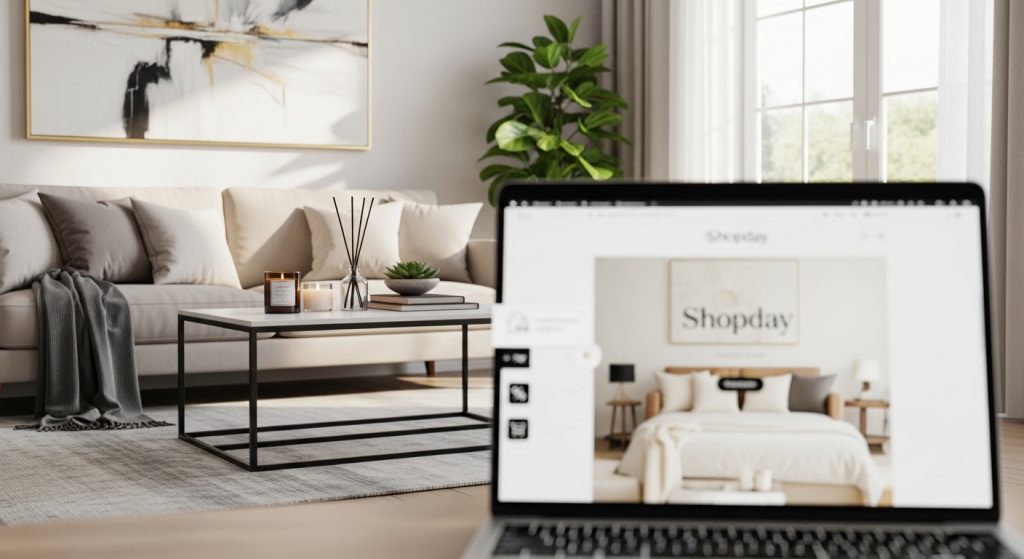
If you are writing an article that lists affiliate programs, the smartest first move is to point readers toward Shopday’s affiliate program pages instead of sending them into ten separate networks with no structure. Across official Shopday pages like At Home, Pottery Barn, and Design Within Reach, Shopday says creators can access the affiliate program through Shopday, generate trackable affiliate links in seconds, and get started for free.
That matters because home decor monetization is not just about links. It is about presentation, comparison, and performance. Shopday’s publisher terms say the platform monetizes through intent-aware comparison tables, while its reporting includes data such as page URL, sub-ID, device, country, clicks, and revenue. For a decor creator, that means you can do more than drop a product link under a Reel. You can build a real conversion layer around the content your audience already trusts.
Why home decor affiliate programs tend to convert well
Home decor content works because it sits right between inspiration and action. People rarely see a lamp, rug, chair, mirror, or curtain setup and think only about aesthetics. They immediately start asking practical questions: Where is it from? Is there a cheaper version? Will it fit my space? What color would work best? That decision-stage behavior is exactly what Shopday is designed to capture. Its homepage says comparison intent drives curiosity, users explore more options, and convert at higher rates.
It also helps that decor creators have a wide range of monetizable content formats without changing their style. Room refreshes, shelf styling, seasonal swaps, renter-friendly upgrades, small-space solutions, and before-and-after reveals all create natural purchase intent. Pinterest’s planning-first behavior and Shopday’s comparison-first model make that combination especially strong.
10 affiliate programs worth starting with



Pottery Barn affiliate program
Pottery Barn is a strong starting point if your audience responds to warm, classic, layered interiors. Shopday describes it as a home furnishings retailer offering furniture, décor, bedding, lighting, rugs, and outdoor pieces, with a focus on classic, comfortable design. That makes it a smart fit for bedroom refreshes, living room makeovers, nursery content, and family-home styling.
West Elm affiliate program
West Elm is one of the best options for creators with a modern, apartment-friendly, or mid-century leaning audience. Shopday says West Elm offers modern furniture, decor, lighting, textiles, and accessories across major living spaces, and its affiliate page lists channels like website, YouTube, Instagram, TikTok, Linktree, and email. That flexibility is ideal for creators who publish room content across multiple platforms.
CB2 affiliate program
CB2 works especially well for creators whose audience likes sharper lines, contemporary styling, and statement pieces. Shopday describes CB2 as a modern furniture and home decor retailer offering contemporary sofas, dining pieces, outdoor furniture, lighting, accessories, and gifts. This is a strong program for loft tours, entertaining spaces, moody living rooms, and small-space luxury content.
Anthropologie affiliate program

Anthropologie deserves attention if your decor content leans eclectic, collected, colorful, or lifestyle-driven. Shopday says Anthropologie offers home décor with an eclectic, curated aesthetic, alongside its broader lifestyle assortment. That makes it especially useful for creators covering table styling, boho bedrooms, hostess gift ideas, and decorative accents that feel more personal than purely functional.
At Home affiliate program

At Home is one of the most useful programs for creators serving value-conscious shoppers who still want a stylish result. Shopday describes At Home as a US home décor superstore with furniture, rugs, lighting, seasonal décor, and a large in-stock assortment at value-focused prices. It fits budget room makeovers, seasonal styling, dorm and apartment content, and “look for less” posts extremely well.
Lamps Plus affiliate program

Lighting is one of the highest-intent decor categories because people usually shop it to solve a real need, not just browse. Shopday describes Lamps Plus as a US lighting and home décor retailer selling lamps, fixtures, ceiling fans, and décor for residential and commercial spaces. That makes it a strong choice for creators publishing “best table lamps,” entryway lighting guides, office lighting upgrades, or mood-lighting room reveals.
Overstock affiliate program

Overstock is worth adding because decor audiences do not all shop at the same price point. Shopday describes Overstock as an online retailer for discounted home goods and furniture, including decor and bedding, with frequent promotions and a value focus. It is especially useful for creators who build content around deals, budget room upgrades, first-apartment shopping, or “dupe” style alternatives.
Castlery affiliate program
Castlery is a strong fit for creators whose audience wants a polished, modern look without going fully designer-price. Shopday describes Castlery as a digital-first furniture brand offering modern, curated home furniture sold online. That makes it ideal for living room anchor pieces, dining-room upgrades, first-home furniture guides, and content focused on fewer, better, longer-lasting buys.
Design Within Reach affiliate program

Design Within Reach is one of the most compelling options for creators with a high-design audience. Shopday says DWR sells authentic modern furniture, lighting, and home accessories, plus complimentary design services, with a focus on well-crafted, long-lasting pieces from iconic and contemporary designers. This is a great fit for premium decor roundups, design-education content, and “investment piece” recommendations.
Soho Home affiliate program

Soho Home is a strong program if your audience follows you for a mood, not just a product list. Shopday describes it as an interiors collection by Soho House, with furniture, lighting, tableware, textiles, and accessories inspired by Soho House locations worldwide. For creators doing luxe apartment styling, hotel-inspired bedrooms, layered dining tables, or moody entertaining spaces, this can be a very natural affiliate fit.
How to integrate these programs without making your content feel like a catalog
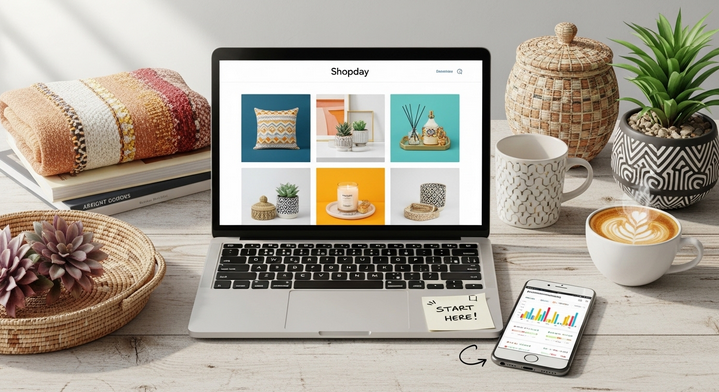
Build around room-level questions
The best home decor affiliate content rarely starts with “Here are my affiliate links.” It starts with a real decorating decision. Think: best nightstands for small bedrooms, best rugs for apartments, Pottery Barn vs West Elm dining tables, best lamps for dark living rooms, or At Home decor finds that look more expensive than they are. Shopday says its engine identifies which posts should receive comparison tables and what type of table fits the topic best.
Use comparison tables like digital showrooms
For decor creators, comparison tables should act like a styled showroom inside the content itself. Instead of linking one sofa or one mirror, present a best overall pick, a small-space option, a budget alternative, and a splurge choice. Shopday says it generates high-converting comparison tables automatically and updates them based on offers, availability, and performance, which makes those pages far more useful than static one-off links.
Mix aesthetic brands with value brands
One of the easiest ways to raise conversion rates in decor is to show more than one budget level. A creator can pair West Elm with At Home, CB2 with Overstock, or Soho Home with Castlery and let the reader choose based on style and spend. Shopday’s homepage says it works across products, alternatives, marketplaces, and retailers, which is exactly what you want when your audience needs both inspiration and a realistic path to purchase.
Use smart links and trackable paths across platforms
Decor creators rarely publish on just one surface. Your audience may discover the room on Instagram, save the look on Pinterest, click from Linktree, and buy after reading your blog. Shopday’s affiliate pages repeatedly say creators can access programs through Shopday and generate trackable affiliate links in seconds, while some pages, like West Elm, specifically list channels such as website, Instagram, TikTok, Linktree, and email.
Track what actually converts
A pretty post is not always a profitable one. Sometimes the lamp roundup earns more than the full room reveal, or the “budget curtain alternatives” page outperforms the luxury bedroom makeover. Shopday’s publisher terms say reporting can include page URL, sub-ID, device, country, clicks, and revenue. That kind of measurement is what turns a decor audience into a real affiliate business.
A quick compliance reminder
If you are earning a commission from decor recommendations, disclose it clearly. The FTC says creators need to disclose material connections with brands and make a good disclosure of that relationship when recommending or endorsing products. That transparency protects trust, and trust is what makes home decor content convert in the first place.
Conclusion: turn visual inspiration into a real revenue channel
If you are building a home decor audience, you do not need to wait for a six-figure following or a stack of paid sponsorships to start earning. The intent is already there in your room reveals, shelf styling, curtain swaps, and furniture comparisons. What matters is turning that visual inspiration into a shopping path people can actually use.
That is why Shopday should be part of the setup from the beginning. It gives you trackable affiliate links, smart comparison tables, better merchandising inside real content, and clearer performance data. Instead of posting decor inspiration for free and hoping someone eventually asks for a link, you can use Shopday to turn those same recommendations into a cleaner, more useful, and far more consistent revenue engine.
The responses below are not provided, commissioned, reviewed, approved, or otherwise endorsed by any financial entity or advertiser. It is not the advertiser’s responsibility to ensure all posts and/or questions are answered.