Travel content is one of the clearest examples of inspiration turning into action. People do not just watch destination videos for entertainment. They use them to decide where to stay, what to book, which insurance to buy, how to pack, and whether a trip is worth the cost. Expedia Group’s 2025 Traveler Value Index says over 60% of travelers now turn to social media for inspiration, and 73% say influencer recommendations have influenced their booking decisions. That is a huge signal for creators, because it means your content is already sitting close to the booking moment.

That is also why Shopday fits travel so naturally. The Shopday Media Kit says shoppers compare before buying, and that Shopday places brands directly inside those comparison moments while people are still deciding. Shopday’s publisher terms add that the platform monetizes content through context-aware comparison tables and related placements based on user intent, available offers, and performance signals. For travel creators, that is a much better fit than dropping one random link under a Reel and hoping it converts.
Why travel affiliate content can convert so well

Travel sits at the intersection of aspiration and purchase intent. A beauty recommendation may lead to a small order. A travel recommendation can lead to a hotel booking, a flight, an activity, an insurance policy, a cruise, or a full package. Expedia’s 2025 research says 88% of global consumers plan a leisure trip in the next year, 68% plan to book international travel, and 61% now find trip ideas on social platforms, up from 35% in 2022. In other words, the demand is already there. The creators who win are the ones who organize that demand into something easy to act on.
Travel also gives creators multiple monetization angles without forcing a style change. One trip can generate content around hotels, neighborhoods, tours, flights, insurance, luggage, and booking tips. That is why travel affiliate programs work best when they match the way people actually plan trips, comparing options, checking alternatives, and narrowing down choices. Shopday’s Media Kit explicitly frames this as the comparison moment where decisions are actually made.
Before you apply anywhere else, start with Shopday
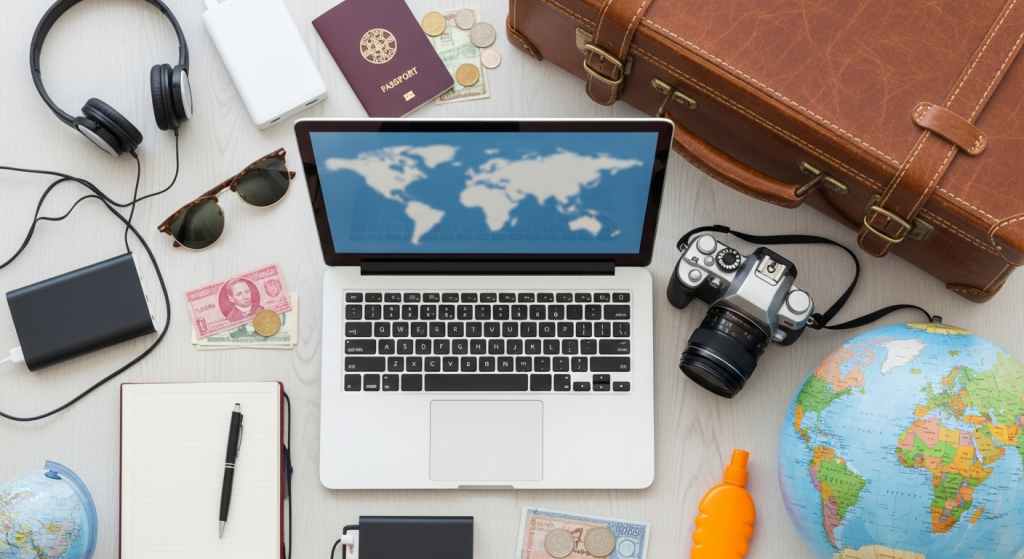
If you are creating an article that lists affiliate programs, do not send readers into ten separate networks with no structure. Start with Shopday’s own affiliate pages.
Across Shopday travel affiliate pages like Booking.com, Expedia, Faye, Exoticca, Luxury Escapes, Holland America Line, and Away Travel, Shopday repeatedly says creators can access the affiliate program through Shopday, generate trackable affiliate links in seconds, and get started for free. Many of those pages also list creator-friendly channels like website, YouTube, Instagram, TikTok, Linktree, and email. That makes Shopday a practical hub, not just another brand page.
Just as important, Shopday gives you a better conversion layer around those links. Its Media Kit says Shopday automatically inserts contextual, easy-to-scan comparison tables featuring brands, retailers, or specific products or services, and places them directly among the options shoppers are comparing. Its publisher terms say reporting can include page URL, sub-ID, device, country, clicks, and revenue. So instead of treating travel affiliate links like a pile of bio links, you can turn them into a much cleaner, trackable storefront experience.
10 travel affiliate programs that actually fit your content



Booking.com affiliate program
Booking.com is one of the most natural starting points for travel creators because it is built around the exact thing followers ask for most often, where to stay. Shopday describes Booking.com as an online travel agency that helps travelers search, compare, and book accommodations and other travel services worldwide. It is also marked free to join on Shopday and supports channels like website, YouTube, Instagram, TikTok, Linktree, and email. That makes it especially strong for hotel roundups, neighborhood guides, weekend-city itineraries, and vacation-rental content.
Hotels.com affiliate program
Hotels.com fits creators whose content leans heavily into hotel recommendations, loyalty-minded travel, and practical stay guides. Shopday describes it as a travel booking platform for hotel accommodations worldwide and notes that it is part of the Expedia family of brands, with member pricing and rewards that can be used across participating Expedia Group travel brands. This is a good fit for “best hotels for couples,” family-stay content, and hotel-heavy city guides where value and rewards matter.
Expedia affiliate program
Expedia is one of the most versatile programs on the list because it covers more than one travel component. Shopday says Expedia lets travelers book flights, hotels, vacation rentals, car rentals, packages, cruises, and activities, while comparing options and managing itineraries in one place. For creators, that flexibility is valuable because one itinerary post can naturally point to multiple booking categories without feeling forced. It is especially strong for full trip-planning guides, “how I booked this trip” content, and bundle-style travel pages.
Priceline affiliate program

Priceline works well for deal-focused travel content. Shopday describes it as an online travel company for hotels, flights, rental cars, vacation packages, and cruises, with discounted and opaque “Express Deals” options. That makes it a strong fit for creators whose audience cares about cheaper bookings, last-minute travel, and budget-first planning. If your content often includes “how to save on flights” or “best ways to cut hotel costs,” Priceline belongs on your shortlist.
Marriott Bonvoy Hotels affiliate program

Marriott Bonvoy Hotels is a smart choice when your audience is more hotel-loyalty oriented than OTA-oriented. Shopday describes Marriott Bonvoy as Marriott International’s loyalty program for earning and redeeming points across a global portfolio of hotel brands, with the ability to use points for stays and experiences. For creators, that makes it a strong affiliate fit for business travel, hotel status guides, reward-travel content, and brand-specific stay reviews.
Exoticca affiliate program

Exoticca is especially relevant for creators who publish itinerary-led content rather than single booking tips. Shopday says Exoticca sells bundled vacation packages that combine flights, hotels, tours, and transfers, with options ranging from self-guided to partially or fully guided itineraries. That gives travel creators a natural way to monetize destination explainers, “how to do this country in 10 days” content, and curated multi-stop trip ideas.
Luxury Escapes affiliate program

Luxury Escapes fits aspirational travel content extremely well. Shopday describes it as a travel platform offering curated luxury hotel stays, tours, cruises, flights, and experiences, often packaged with inclusions and special pricing. That makes it an easy fit for premium resort content, romantic getaways, luxury-on-a-deal angle pieces, and “best places to splurge” style travel coverage.
Holland America Line affiliate program

If your travel content includes cruises, Alaska itineraries, or destination-heavy trip planning, Holland America Line is worth attention. Shopday describes it as a premium cruise line offering destination-focused voyages worldwide, with curated shore experiences across regions like Alaska, the Caribbean, and Europe. That makes it a particularly strong match for creators who publish route guides, port-day tips, cruise comparisons, and slow-travel style content.
Faye affiliate program

Travel insurance is one of the easiest affiliate categories to ignore and one of the most practical to include. Shopday describes Faye as whole-trip travel insurance with app-based support, 24/7 travel care, and claims that can pay out to a digital wallet for eligible covered disruptions. This works naturally inside international-trip guides, “what I book before I fly” checklists, visa and planning content, and any article focused on trip protection or travel peace of mind.
Away Travel affiliate program

Away Travel proves that travel monetization does not have to stop at bookings. Shopday says Away designs premium luggage, bags, and travel accessories for modern travel, with thoughtful features, free returns and exchanges on unused items, and warranties. That makes it a strong fit for packing videos, carry-on comparisons, long-haul flight essentials, and airport-style content. If your audience constantly asks where your suitcase, weekender, or packing system came from, this is one of the cleanest programs to integrate.
How to integrate these programs without making your travel content feel salesy

The best travel affiliate content does not start with “here are my links.” It starts with a traveler decision.
That means building content around questions like:
- best hotel booking sites for flexible stays
- Booking.com vs Hotels.com vs Expedia
- best travel insurance for international trips
- how to choose between a cruise, a package trip, and self-booking
- best carry-on bags for short trips
- best premium getaways that still feel worth the splurge
This is exactly where Shopday’s comparison-table model becomes useful. The Media Kit says Shopday appears while shoppers are comparing and places brands alongside the options they are actively evaluating, not before and not after. That structure is much more aligned with the way people plan travel than a generic link hub ever will be.
Use comparison tables like digital travel storefronts
Travel is rarely a one-click decision. People want to compare flexible cancellation, reward value, budget level, trip style, package inclusions, and ease of booking. Shopday’s Media Kit says its tables are contextual, easy to scan, and continuously optimized in the background. Its publisher terms say those tables are driven by user intent, available offers, and performance signals. For travel creators, that means your “best places to stay in Rome” or “how to book a cruise for Alaska” article can act more like a conversion page and less like a static blog post.
Build content around categories, not just one brand at a time
The strongest travel affiliate strategy usually mixes categories:
- hotel and lodging platforms
- full-service travel booking sites
- packages and curated trips
- insurance
- travel gear
That mix matters because travel planning is layered. A follower may watch your destination video for inspiration, click your hotel recommendation for research, then use your insurance and luggage recommendations before the trip. Expedia’s 2025 data says travel remains a top priority globally, and social media keeps gaining influence earlier in the planning process. The creators who organize their content around the full journey usually capture more revenue than the ones who only monetize the last click.
Track what actually earns
Pretty travel content does not always equal profitable travel content. Sometimes your “best hotels in Lisbon” guide earns more than your cinematic destination reel. Sometimes the travel-insurance explainer quietly outperforms your flight-hack post. Shopday’s publisher terms say reporting can include page URL, sub-ID, device, country, clicks, and revenue, which helps creators spot which destinations, booking categories, and recommendation formats actually convert.

A quick compliance reminder
If you are recommending travel products or services for commission, disclose it clearly. The FTC says endorsers need to make a good disclosure of their relationship to a brand, and that a material connection includes a financial relationship such as payment or free or discounted products or services. Travel creators should take that seriously, especially when recommending hotels, insurance, cruises, or expensive trip components.
Final takeaway
Travel creators are in a strong position because their content already sits close to action. People watch for ideas, but they stay for decisions, where to stay, what to book, how to protect the trip, what to pack, and which platform to trust. Expedia’s latest research shows just how strong that behavior has become, and Shopday’s entire model is built around capturing that decision-stage intent more effectively.
If you want these affiliate programs to work harder, do not treat them like a random list of links. Start with Shopday, use travel programs that match the way your audience actually plans trips, and layer them into comparison-friendly content that helps people choose. That is where Shopday becomes more than a tool. It becomes the structure that turns travel inspiration into measurable affiliate revenue.
The responses below are not provided, commissioned, reviewed, approved, or otherwise endorsed by any financial entity or advertiser. It is not the advertiser’s responsibility to ensure all posts and/or questions are answered.