A lot of content does a good job getting attention and a weak job converting attention into action. That is the gap most creators and publishers feel when a post gets views, saves, and comments, but revenue barely moves. The opportunity is real, though. Deloitte reports that 72% of consumers are willing to buy directly within social media platforms, which means the path from discovery to purchase is shorter than ever. The issue is usually not interest. It is what happens after interest.

High-converting content does not just inspire. It helps people decide. That is why Shopday’s positioning matters here. On its homepage, Shopday says it scans content, detects commercial intent, and builds dynamic tables that match what users want to compare. On its publisher terms page, Shopday says it monetizes content through context-aware comparison tables and related placements based on user intent, available offers, and performance signals.
What high-converting content actually does differently
Content that converts well usually does five things in the right order:
- it hooks the reader with a real buying problem
- it narrows the recommendation to a clear use case
- it helps the reader compare, not just browse
- it reduces friction at the click moment
- it gives the reader a confident next step
That structure aligns closely with how Shopday describes its own role. Shopday says it can insert a smart comparison table with real buying options such as brands, retailers, or specific products, placing them directly among the options users are evaluating.
Start with a buying question, not a broad topic

The highest-converting content usually opens with a question people are already trying to solve.
Weak angle:
“Here are my favorite products this month.”
Stronger angle:
“Which carry-on is actually worth buying for weekend trips?”
Weak angle:
“My skincare routine.”
Stronger angle:
“Which vitamin C serum is best for beginners who want visible results without irritation?”
The second version works better because it matches commercial intent. Shopday’s homepage says its system detects exactly what users want to compare, which only works well when the content itself is clear about the decision being made.
What to fix first
If a post is not converting, ask whether the title and opening paragraph make the buying problem obvious. A reader should know, within seconds, what choice the page is helping them make. If the answer is vague, the monetization path will usually be vague too. Shopday’s official site is built around clarity at the decision stage, not generic product mention.
Narrow the content to one clear use case

A common mistake is trying to serve everyone at once. High-converting content usually wins by being more specific.
Instead of:
- best sneakers
Try:
- best walking shoes for long shifts
- best white sneakers for everyday outfits
- best lifting shoes for beginners
Instead of:
- best desk accessories
Try:
- best desk lamps for eye comfort
- best monitor stands for small desks
- best office chairs for back support under a certain budget
Specificity helps conversion because it removes guesswork. Shopday’s brand page says users choose with confidence when they can evaluate real buying options directly inside the content.
Add a comparison moment
This is where a lot of content starts converting better.
Many creators stop at the recommendation:
“This is the one I use.”
High-converting content usually goes further:
“This is my pick, but here are the best alternatives depending on budget, features, or use case.”
That matters because comparison is where intent gets strongest. Shopday says it generates smart comparison tables with real buying options and places them directly among the options users are already evaluating. This is one of the clearest differences between content that simply mentions products and content that helps someone choose.
What that looks like in practice
A good comparison section often includes:
- best overall
- best budget option
- best premium option
- best alternative for a specific need
This structure is especially effective because it lets the reader self-select. Instead of forcing one answer, it gives people a reason to keep moving toward a decision.
Make the click feel like the natural next step
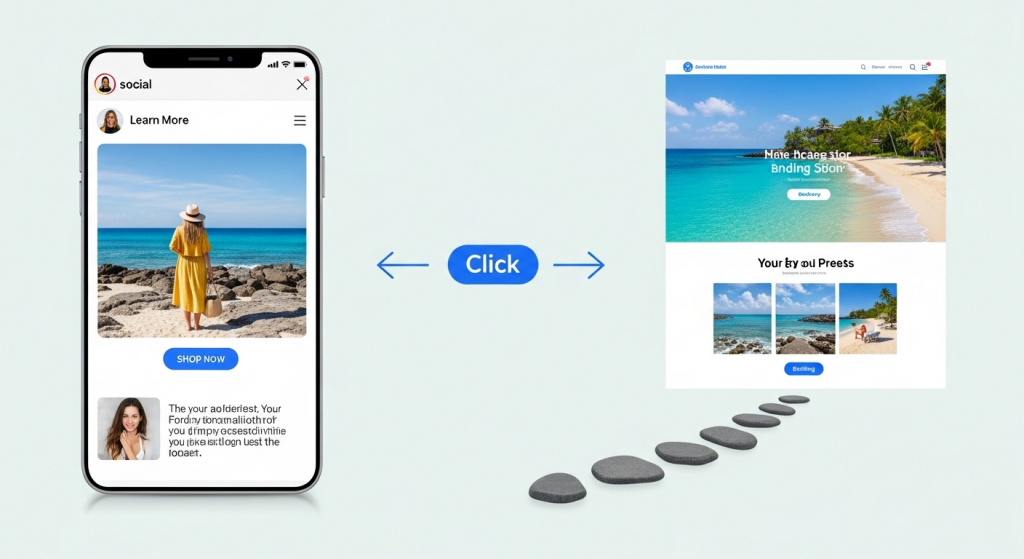
A lot of content loses conversions because the click path is weak. The post creates interest, but the destination does not continue the buying journey.
Common friction points:
- one generic link in bio
- a homepage instead of a focused page
- too many unrelated options
- links placed where intent is already cooling off
Deloitte says consumers want easier ways to discover and purchase products on social media. That principle applies to content pages too. The easier and more relevant the next step feels, the stronger the conversion path becomes.
This is where Shopday becomes practical, not just conceptual. Shopday says its comparison experiences update based on offers, availability, and performance, which helps the click lead somewhere more useful and current.
Keep the content helpful enough to earn trust
High-converting content is not aggressive. It is useful.
That means it usually includes a few trust-building elements:
- why the recommendation fits a specific person or problem
- who should skip it
- what the tradeoffs are
- whether there is a better alternative for a different budget
- a clear reason to choose now
Shopday’s brand page says users get clarity while publishers deliver a better experience and earn more from their content. That is an important distinction. Better conversion usually comes from better decision support, not louder selling.
Three practical content structures that convert
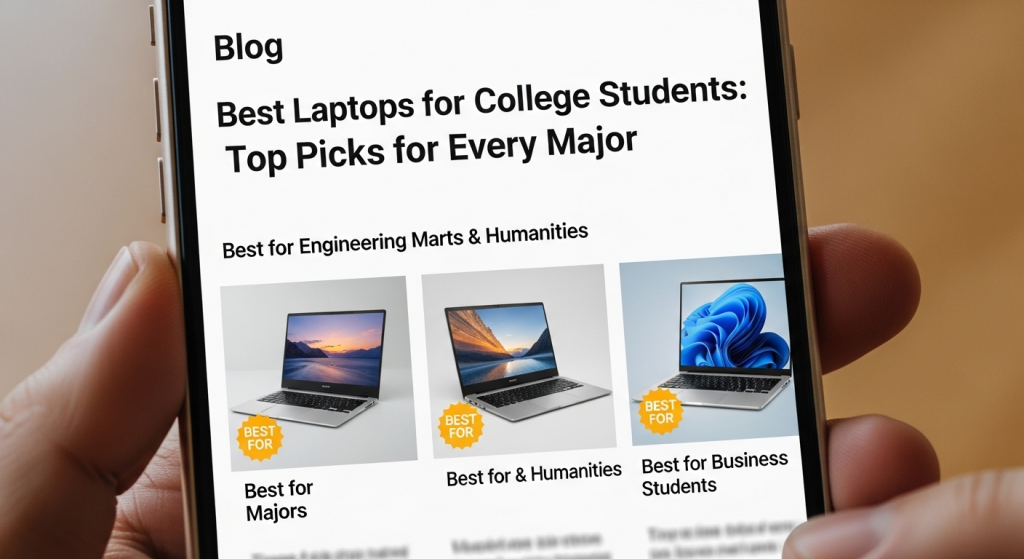
The “best for” article
This format works well when the audience already knows the category but needs help choosing.
Example:
Best Personal Item Bags for Weekend Trips
A strong structure:
- intro with the problem
- what matters most
- best overall
- best budget pick
- best for airlines with strict sizing
- final recommendation
This kind of page fits Shopday naturally because it centers on comparison and choice.
The “A vs. B vs. C” article
This works when shoppers already have a shortlist in mind.
Example:
Nike vs. Adidas vs. Under Armour for HIIT Training
A strong structure:
- quick overview of who each option suits
- side-by-side comparison
- what each brand does best
- final pick by use case
This is almost a direct match for Shopday’s smart comparison-table model, since the reader is already evaluating several options.
The “what I use, plus alternatives” article
This format is strong because it keeps the creator voice while still supporting conversion.
Example:
My Current Skincare Routine, Plus the 3 Products I’d Recommend First
A strong structure:
- what you personally use
- why it works for you
- the best lower-cost alternative
- the best option for sensitive skin
- the best splurge if someone wants extra features or performance
This keeps the content personal while still making it commercially useful.
What high-converting content does not look like
It usually does not look like this:
- vague product mention with no context
- one buried affiliate link
- broad content with no buying question
- recommendations with no alternatives
- too many choices and no guidance
- a click that leads somewhere generic
If content is underperforming, this is usually where to look first. The fix is rarely “post more.” It is usually “make the decision path clearer.”
How Shopday helps close the gap

Shopday is valuable here because it supports the exact transition from scroll to purchase.
According to Shopday’s official pages, it:
- detects commercial intent in content
- builds dynamic comparison tables automatically
- monetizes through context-aware comparison tables and related placements
- updates based on offers, availability, and performance
- helps users compare real buying options with more confidence
That makes it especially useful for publishers and creators who already know how to build trust, but need a stronger way to convert that trust into clicks and revenue.
A simple checklist before you publish
Before publishing a commercial piece of content, ask:
- Is the buying question obvious?
- Is the use case specific enough?
- Does the page help the reader compare options?
- Is the click destination a continuation of the decision?
- Does the content feel useful before it feels promotional?
If those five pieces are in place, conversion usually improves because the content is doing more than attracting attention. It is helping the reader act.
Conclusion: conversion starts when content helps people choose
The best-performing content is rarely the loudest. It is the clearest.
It takes someone from curiosity to confidence, then makes the next step easy. That is what high-converting content actually looks like. A strong hook, a specific use case, a real comparison moment, low-friction clicks, and a recommendation structure that feels more like guidance than advertising.
That is also why Shopday fits so naturally into this model. When your content already has trust and buying intent, Shopday helps turn it into a smarter comparison experience, one that feels more useful to the reader and more valuable to the publisher at the same time.
The responses below are not provided, commissioned, reviewed, approved, or otherwise endorsed by any financial entity or advertiser. It is not the advertiser’s responsibility to ensure all posts and/or questions are answered.